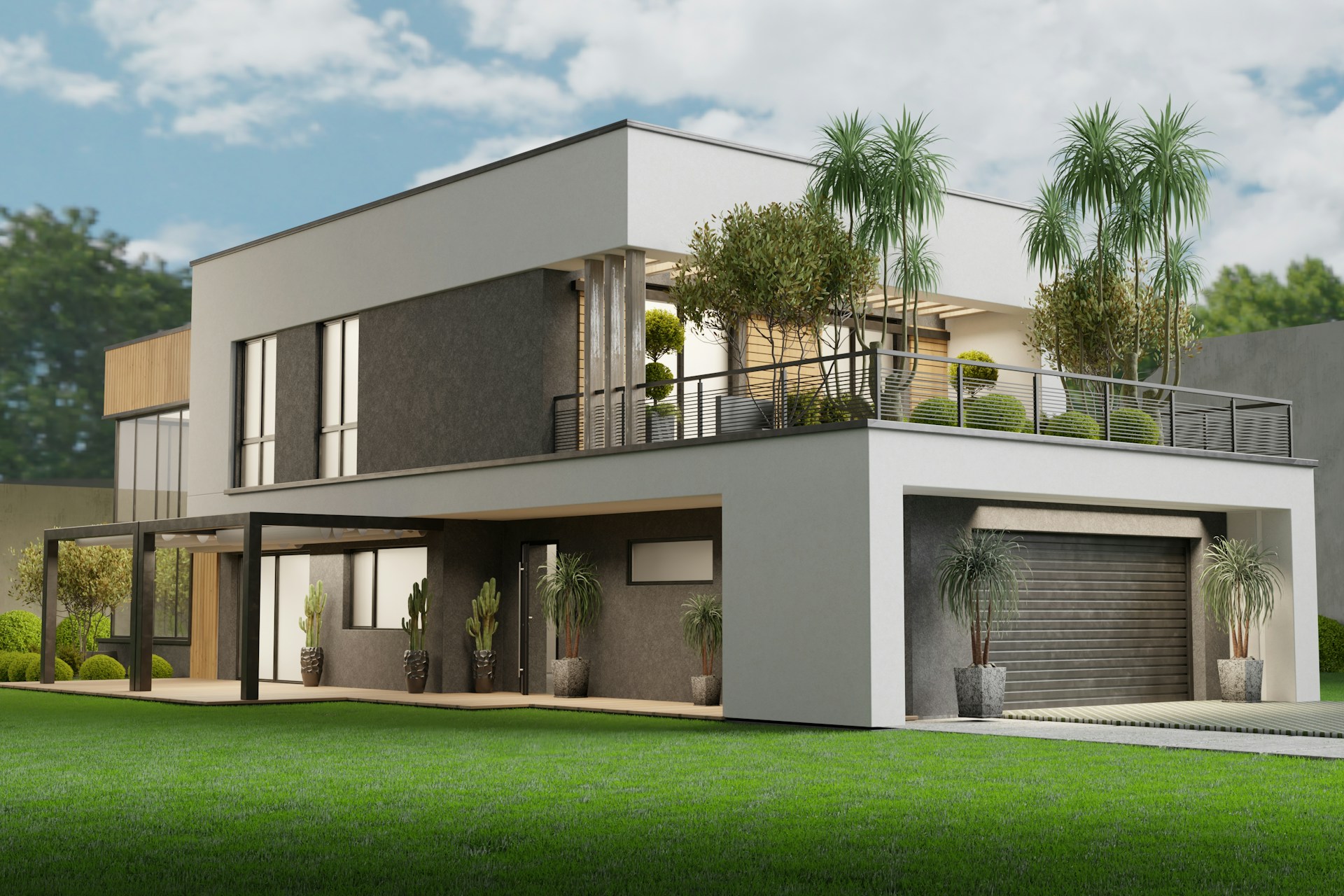
The real estate market is evolving rapidly as technology becomes deeply integrated into how people live, work, and manage their homes. One of the most influential drivers of this shift is smart home technology in real estate, which is changing buyer expectations and reshaping property values. What was once considered a luxury is now a practical necessity, especially for modern homeowners who prioritize convenience, efficiency, and security.
Smart home features are no longer isolated gadgets. They form interconnected systems that enhance daily living while supporting sustainability and long-term cost savings. As these technologies become more accessible, they are driving major real estate trends across residential and mixed-use developments. Understanding how intelligent home features influence demand helps buyers, sellers, and investors stay aligned with the future of property markets.
Image keywords relevant to this topic include smart home features, home automation systems, connected homes, real estate technology trends, and intelligent living spaces.
Smart Climate Control and Energy Optimization
Intelligent climate control systems are among the most impactful innovations shaping real estate trends. Smart thermostats learn occupant behavior and automatically adjust heating and cooling for maximum comfort and efficiency. This reduces unnecessary energy use while maintaining ideal indoor conditions year-round.
From a market perspective, homes with innovative climate systems are attractive because they offer measurable cost savings. Buyers are increasingly aware of long-term utility expenses, and energy-efficient homes stand out in competitive markets. These systems also support sustainability goals, making them a strong value driver in both new and existing properties.
Advanced Home Security and Monitoring Systems
Security has become a top priority for homeowners, and innovative security features are reshaping buyer expectations. Video doorbells, smart locks, motion sensors, and integrated alarm systems enable homeowners to monitor and control access remotely. These tools provide peace of mind and real-time awareness, even when occupants are away.
In real estate, enhanced security increases a property’s perceived and actual value. Buyers often view smart security as a foundational feature rather than an upgrade. For multi-family buildings and gated communities, centralized innovative security systems also reduce management costs while improving overall safety, further strengthening market appeal.
Voice-Controlled Home Automation
Voice assistants have transformed how people interact with their living spaces. From controlling lighting and temperature to managing entertainment and daily reminders, voice-controlled automation simplifies everyday tasks. This hands-free convenience appeals to a wide range of buyers, including families, professionals, and older homeowners.
Real estate trends reflect growing demand for homes that integrate seamlessly with popular voice platforms. Properties equipped with voice-controlled systems feel modern and intuitive, helping buyers envision an easier lifestyle. This emotional connection plays a key role in purchasing decisions and increases engagement during property showings.
Bright Lighting and Adaptive Ambiance
Intelligent lighting systems are redefining both functionality and design in modern homes. These systems allow users to adjust brightness, color, and timing based on mood, activity, or natural light conditions. Automated lighting schedules also reduce energy waste by turning off lights when rooms are unoccupied.
In the real estate market, bright lighting enhances both aesthetic appeal and efficiency. Homes with adaptive lighting feel more personalized and technologically advanced. This feature is particularly influential in luxury and urban markets, where buyers expect customizable living environments that blend comfort with innovation.
Integrated Smart Appliances and Kitchens
Kitchens have become a focal point for smart home innovation. Smart appliances such as refrigerators, ovens, and dishwashers offer features including energy monitoring, remote control, and maintenance alerts. These tools improve efficiency while reducing daily effort, making home management more convenient.
From a real estate perspective, bright kitchens signal modernity and functionality. Buyers view integrated appliances as a reflection of thoughtful design and future readiness. As lifestyles become busier, properties that simplify household tasks gain a competitive edge and attract more substantial interest.
Home Energy Monitoring and Sustainability Tools
Energy monitoring systems are playing an increasingly important role in shaping real estate trends. These tools provide real-time insights into electricity and water usage, helping homeowners make informed decisions about consumption. By identifying inefficiencies early, occupants can reduce waste and lower monthly costs.
Sustainability-focused buyers are especially drawn to homes with energy monitoring capabilities. These systems support environmentally responsible living while offering transparency and control. As sustainability becomes a core value in real estate, energy monitoring features are increasingly linked to long-term property value and marketability.
Smart Home Connectivity and Centralized Control Hubs
Centralized control hub consolidates all smart home features into a single interface. Homeowners can manage security, lighting, climate, and appliances through one app or dashboard. This unified experience reduces complexity and improves usability across different devices.
In real estate, seamless connectivity is becoming a key differentiator. Buyers prefer homes where innovative features work together rather than as isolated systems. Properties with centralized smart infrastructure feel more future-proof and easier to maintain, making them more attractive in evolving markets.
The Influence of Smart Homes on Buyer Expectations
Smart home features are reshaping buyers’ expectations for modern properties. Convenience, efficiency, and personalization are now standard considerations during the buying process. Homes that lack basic innovative capabilities may feel outdated, especially to younger buyers and tech-savvy professionals.
This shift in expectations is influencing renovation decisions and new construction alike. Sellers are increasingly investing in smart upgrades to improve market appeal. As buyer awareness grows, innovative features are becoming a baseline requirement rather than a premium option.
Impact on Property Value and Market Competitiveness
Smart home technology has a measurable impact on property value and competitiveness. Homes with integrated innovative features often sell faster and at higher prices compared to traditional properties. Lower operating costs, enhanced security, and modern appeal contribute to stronger demand.
Investors are also recognizing the value of smart-enabled properties. These homes attract reliable tenants and support long-term appreciation. As technology adoption continues, innovative features are becoming an essential factor in investment strategy and asset evaluation.
Challenges and Considerations in Smart Home Adoption
Despite their advantages, smart home features come with challenges. Compatibility between devices, data privacy concerns, and upfront installation costs can create hesitation for some buyers. Clear communication and user-friendly systems are essential to overcoming these barriers.
The industry is responding with improved standards and simpler interfaces. As technology becomes more intuitive and affordable, adoption rates are expected to rise. Education and transparency play a key role in ensuring buyers feel confident about smart home investments.
The Future of Smart Home Features in Real Estate
The future of real estate is closely tied to intelligent living solutions. Smart homes will continue to evolve as advances in artificial intelligence, predictive automation, and energy management drive innovation. Homes will increasingly adapt to occupant behavior, offering personalized experiences that enhance comfort and efficiency.
As smart home real estate trends continue to shape buyer demand, intelligent features will become the foundation of modern housing rather than an optional upgrade. Buyers, sellers, and investors who understand this shift are better positioned to succeed in a market defined by innovation, connectivity, and forward-thinking design.