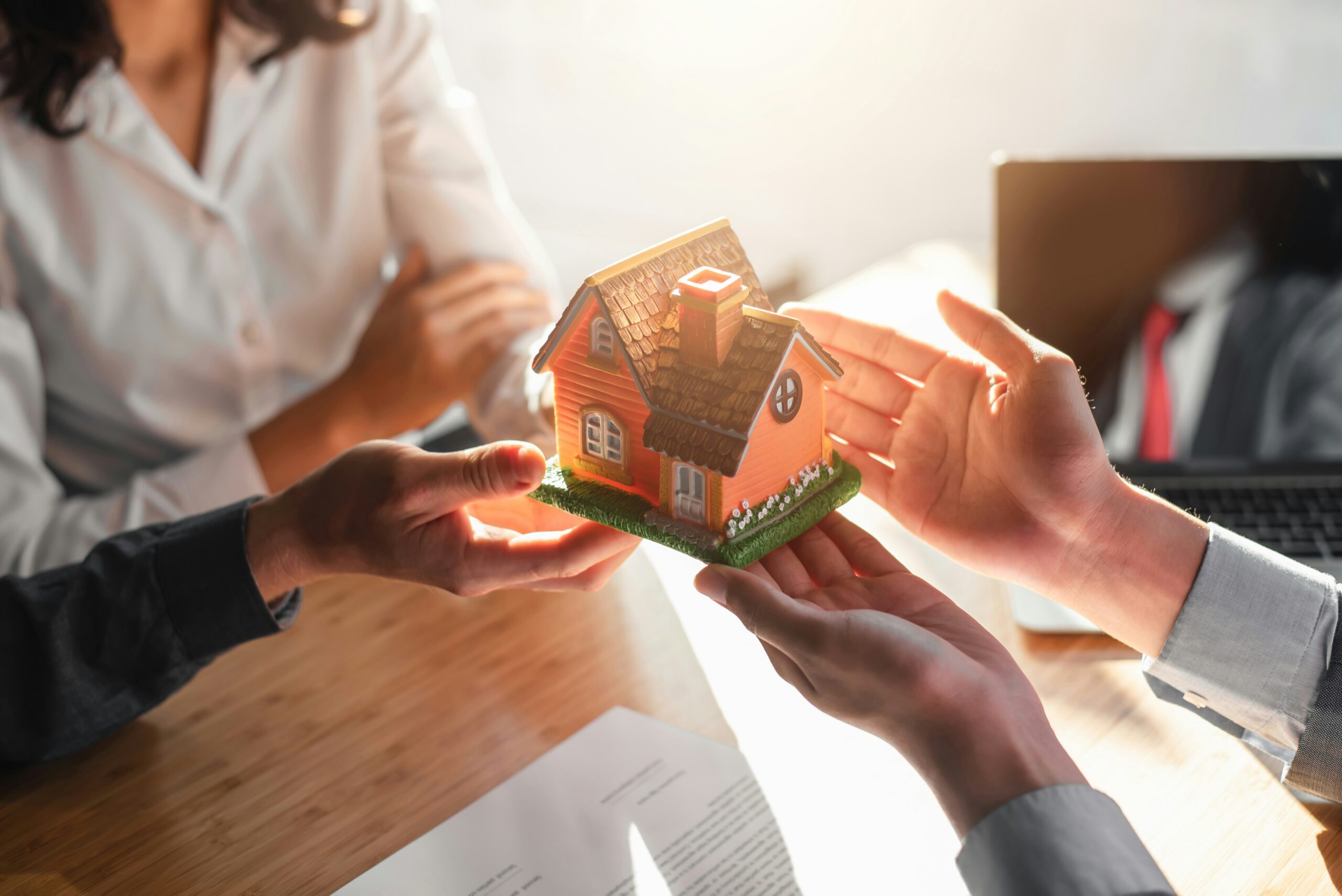
The real estate market is changing as more homeowners, buyers, builders, and developers recognize the value of sustainable living. Green homes are no longer limited to a small group of environmentally focused buyers. Today, energy efficiency, smart technology, water conservation, and healthier building materials are becoming important features in modern properties. As environmental awareness grows, sustainable homes are gaining attention for their potential to reduce household costs while creating more comfortable and efficient living spaces.
Why Green Homes Are Becoming More Popular
The growing interest in green homes is connected to changing buyer priorities. Homeowners want properties that are comfortable, affordable to maintain, and prepared for future energy needs. Rising utility costs have also encouraged people to consider homes that use less electricity and water.
Builders are responding by incorporating sustainable features into both new construction and renovated properties. Energy-efficient designs can help reduce monthly expenses, while environmentally friendly materials can support healthier indoor environments. For many buyers, these benefits make sustainability a practical investment rather than simply an environmental choice.
Energy Efficiency Takes Center Stage
Energy efficiency is one of the most important trends shaping sustainable real estate. Modern green homes often include better insulation, energy-efficient windows, high-performance heating and cooling systems, and appliances designed to use less electricity.
Solar panels are also becoming increasingly visible in residential communities. Homeowners can use solar energy to generate electricity and potentially reduce their dependence on traditional power sources. Battery storage systems are another emerging feature because they can store excess energy for later use.
As solar technology becomes more accessible, energy production is becoming part of the overall home design. This trend is encouraging builders to think beyond appearance and consider how a property performs throughout the day.
Smart Technology Supports Sustainable Living
Smart home technology is playing a major role in the evolution of green homes. Connected thermostats can adjust indoor temperatures based on household schedules, while smart lighting systems can reduce unnecessary energy use.
Modern monitoring systems can also provide homeowners with information about electricity and water consumption. Understanding how resources are used makes it easier to identify waste and change daily habits.
These technologies combine convenience with efficiency. Instead of requiring homeowners to constantly manage energy use manually, smart systems can automate many decisions while helping residents maintain comfortable indoor conditions.
Water Conservation Is Gaining Attention
Water efficiency is another important part of sustainable home design. Low-flow faucets, efficient showerheads, dual-flush toilets, and water-saving appliances can reduce household water consumption without sacrificing convenience.
Landscaping is changing as well. Native plants and drought-tolerant gardens generally require less water and can create attractive outdoor spaces with lower maintenance needs. Rainwater collection systems are also being considered in some residential developments, particularly in areas where water conservation is an important concern.
These features show that sustainability extends beyond a home’s walls. Outdoor design, landscaping, and water management can all influence a property’s overall environmental performance.
Sustainable Materials Create Healthier Spaces
The materials used to construct a home can have a significant impact on sustainability. Builders are increasingly exploring recycled, renewable, and responsibly sourced materials. Products with low levels of volatile organic compounds can also help improve indoor air quality.
Bamboo flooring, reclaimed wood, recycled materials, and durable finishes are examples of choices that can support more environmentally conscious construction. At the same time, better ventilation and improved filtration systems can contribute to healthier indoor environments.
The focus is gradually shifting from simply building attractive homes to creating spaces that are durable, efficient, and comfortable for the people who live in them.
Green Features Can Influence Property Value
Sustainable features are also becoming relevant to real estate value. Buyers may consider energy efficiency and lower operating costs when comparing properties. A home with solar panels, efficient appliances, strong insulation, and smart energy controls may offer financial benefits over time.
However, the value of individual green features can vary by location, market conditions, property type, and buyer preferences. Homeowners considering sustainable upgrades should look at both immediate costs and potential long-term benefits.
The Future of Sustainable Real Estate
Green homes are becoming an important part of the future of residential real estate. As technology improves and consumer expectations evolve, sustainable features are likely to become more integrated into everyday home design.
The next generation of homes may combine renewable energy, intelligent automation, efficient water systems, sustainable materials, and climate-conscious architecture in one connected living environment. Rather than treating sustainability as an optional upgrade, the real estate industry is increasingly viewing it as a fundamental part of modern home design.
For buyers and homeowners, this evolution creates new opportunities to choose properties that support efficiency, comfort, and responsible resource use. As green building continues to develop, sustainable homes are likely to remain a significant trend shaping the real estate market.