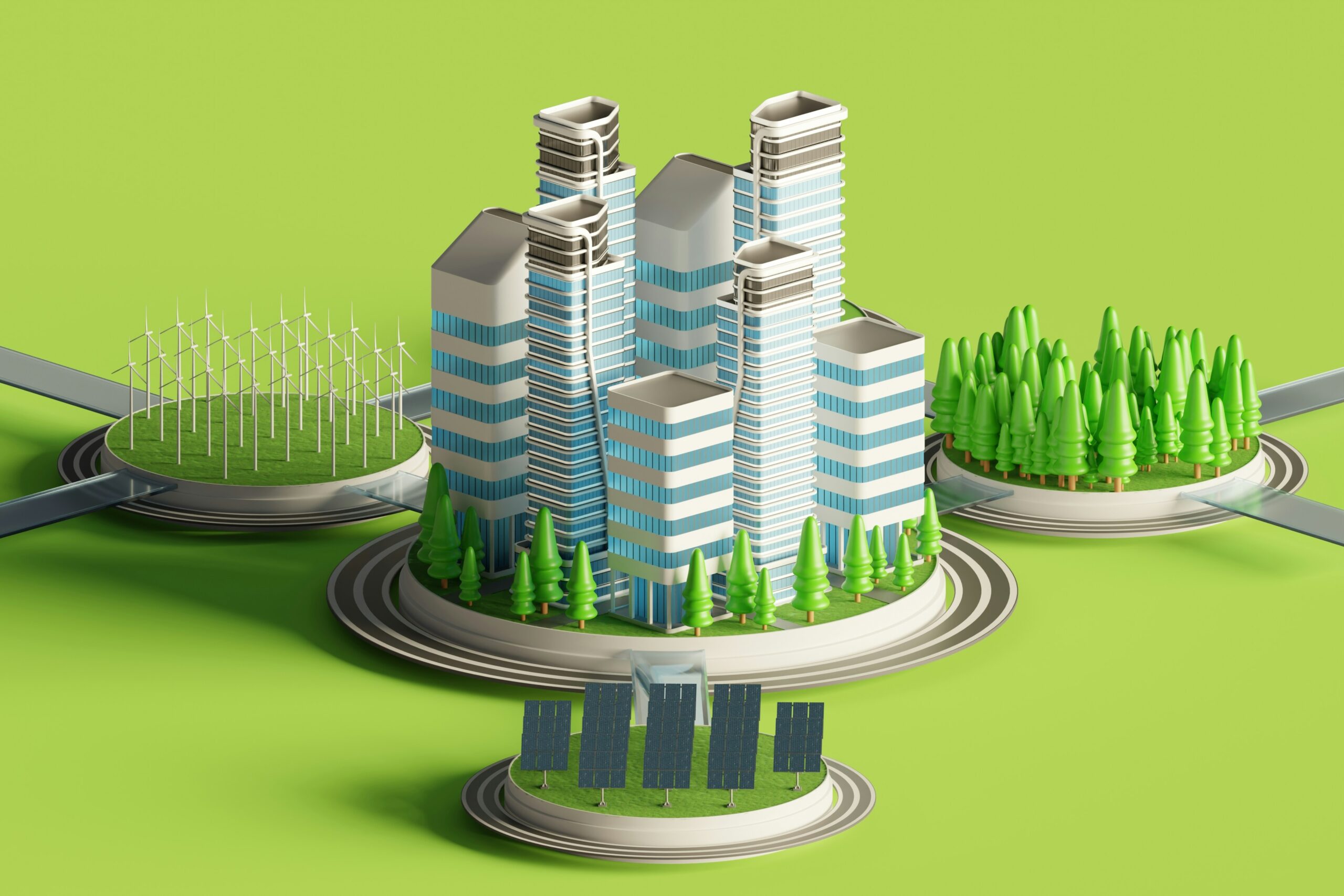
The property market is changing faster than ever. New technology, global shifts, and rising environmental awareness are reshaping how people buy, sell, and live in homes. These forces are not working alone. They connect in ways that influence every corner of the real estate world. The market of tomorrow will be more dynamic, digital, and sustainable than anything we have seen before.
Understanding these changes helps buyers, investors, and developers prepare for the future. It also highlights how property decisions today will shape communities for decades. As technology grows and global priorities shift, the homes of the future will reflect a blend of innovation, responsibility, and flexibility.
Digital Transformation and the Future of Property Transactions
Digital tools are changing how people search for homes and complete the buying process. Virtual tours allow buyers to explore properties from anywhere, giving them a realistic sense of space without stepping inside. Smart platforms guide users through mortgages, contracts, and negotiations. These tools reduce delays and stress by making every step faster and more transparent.
Artificial intelligence is also reshaping decision-making. With massive amounts of data, these tools predict market trends, estimate property values, and help buyers find neighborhoods that best match their lifestyle. This shift creates a more informed market where decisions rely on real insights rather than guesswork. As these digital systems improve, property transactions will become smoother and more accessible to more people.
How Smart Homes Are Redefining Modern Living
Smart homes are no longer a futuristic idea. They are becoming a standard expectation for homeowners and renters. From automated lighting to voice-controlled security systems, these features make everyday life more convenient. They also add an extra layer of safety and efficiency, which increases a property’s appeal.
Beyond comfort, smart homes support healthier lifestyles. Indoor air sensors, energy-saving appliances, and predictive maintenance tools help homeowners create better living environments. These features attract buyers who value quality of life as much as property size or location. As smart technology continues to evolve, homes will adapt to their residents’ needs in even more intuitive ways.
The Rise of Green Living and Sustainable Development
Sustainability is becoming a central part of real estate development. Modern buyers increasingly care about how their homes impact the environment. Developers respond by using eco-friendly materials, installing efficient insulation, and designing buildings that produce less waste. These choices benefit both the planet and property owners through lower maintenance and energy costs.
Green living is also shaping how communities develop. Neighborhoods with parks, bike paths, and community gardens appeal to people who want a healthier lifestyle. These spaces encourage calm, connection, and well-being. As more cities commit to reducing carbon emissions, sustainable design will become a defining feature of property development worldwide.
Energy-Efficient Homes and the Push for Renewable Power
Energy-efficient homes are becoming more than a trend. They are becoming a practical solution to rising utility costs and climate concerns. Solar panels, smart thermostats, and high-performance windows reduce energy consumption and make homes more affordable to maintain. These features attract environmentally conscious buyers and long-term investors who see value in lower operating costs.
Renewable power is also influencing how communities function. Entire neighborhoods now integrate solar grids or shared energy systems that lower dependence on traditional sources. This shift supports a cleaner environment and helps stabilize energy supply during peak times. As governments continue to incentivize the adoption of renewable energy, energy-efficient homes will play a major role in shaping the global property landscape.
Urban Growth and the Future of City Living
Cities are evolving as populations grow and lifestyles change. People want walkable neighborhoods, easy access to services, and flexible living spaces that support remote work. Developers respond by creating mixed-use communities that blend homes, shops, and entertainment. These areas offer convenience and reduce the need for long commutes, making them appealing to modern buyers.
At the same time, cities must upgrade their infrastructure to support this growth. Smart transportation systems, improved public transit, and energy-efficient buildings are becoming essential. These investments create a smoother everyday life and reduce environmental impact. As cities embrace smarter planning, the future of urban living will be more connected, efficient, and resilient.
Global Investment Trends and Their Influence on Housing
Global investors are increasingly influencing local property markets. Cross-border investment is rising as digital tools make it easier to explore opportunities abroad. Buyers from different regions seek stable markets, strong economies, and long-term returns. This movement brings diversity and capital to cities worldwide, shaping how developments evolve.
However, global investment also brings new responsibilities. Communities must balance the benefits of international interest with residents’ needs. When managed well, this balance supports healthy development and stable pricing. As global connections deepen, investors and policymakers must work together to create markets that grow responsibly and sustainably.
Affordability Challenges and Creative Housing Solutions
Affordability remains one of the biggest challenges in the property market. Rising demand, limited supply, and high construction costs put pressure on buyers and renters. As a result, developers and governments are exploring new approaches to make housing more accessible. Modular homes and prefab construction offer faster, more cost-effective building methods. These solutions reduce waste and improve efficiency without sacrificing quality.
Shared living spaces are also gaining attention. Co-living communities appeal to young professionals seeking flexibility and affordability. These spaces foster connection and create a sense of community, often missing in traditional rentals. As housing challenges grow, creative solutions like these will play an essential role in shaping the market.
Lifestyle Shifts and the Demand for Flexible Spaces
Lifestyle changes have a major effect on property design. Remote work is now common, leading many people to seek homes with dedicated work areas. Outdoor spaces, natural light, and adaptable rooms create environments that support both productivity and relaxation. This shift influences everything from new construction to renovation trends.
Flexible spaces also appeal to growing families and multi-generational households. Homes that can adjust to different life stages offer long-term value. As people rethink how they use their living spaces, properties that provide comfort and adaptability will become more desirable.
The Road Ahead: A Market Built on Innovation and Responsibility
The property market of tomorrow will blend technology, sustainability, and global awareness. Digital tools will simplify transactions and give buyers more control. Green design will guide development and protect the environment. International trends will influence local markets and expand opportunities. Together, these forces will shape a future where properties are smarter, cleaner, and better suited to modern life.
As people adapt to new expectations and lifestyles, developers and investors must stay alert to these shifts. The market will reward innovation, responsibility, and a deep understanding of what people need in their homes. The future of real estate is already taking shape, promising a world where living spaces are more efficient, more connected, and better aligned with the values of a changing world.